A termite barrier is an important part of a property's termite management system. It is designed to help reduce the risk of concealed termite entry into a building, but it should never be treated as a permanent guarantee that termites cannot reach the structure.
Many Perth homeowners are unsure whether the barrier installed at their property is still doing its job. They may have purchased an older home, inherited incomplete treatment records or noticed changes around the building. Others simply do not know when the original system was installed or what type of protection it provides.
These questions matter because termite management systems have different designs, installation requirements and maintenance considerations. A chemical soil treatment, a physical barrier and a reticulation system do not all work in the same way.
Rather than automatically replacing an existing barrier, the first step is to establish what is already installed and whether there is evidence that its performance may have been affected.
What Does a Termite Barrier Actually Do?
A termite barrier is part of a building's termite risk management strategy. Depending on the system, it may be designed to deter concealed entry, expose termite activity or help manage access around vulnerable parts of a structure.
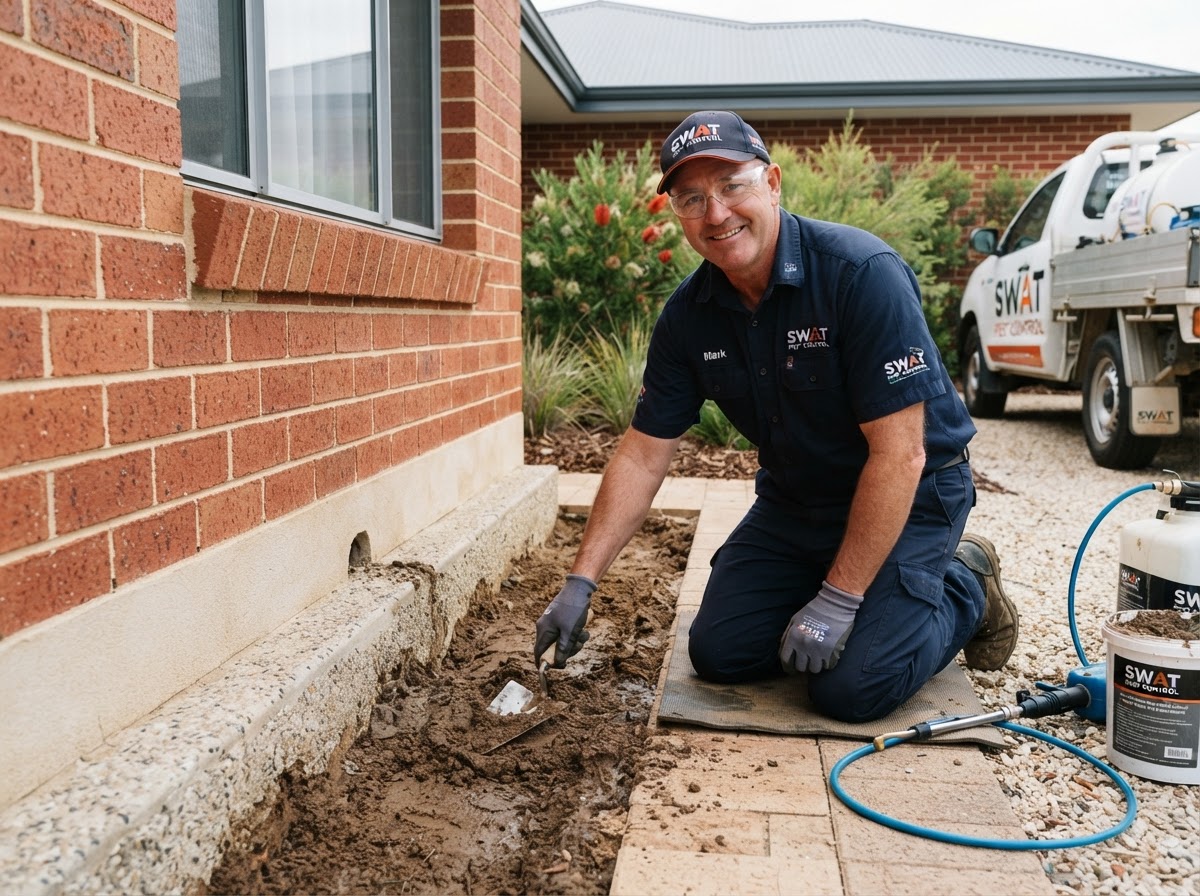
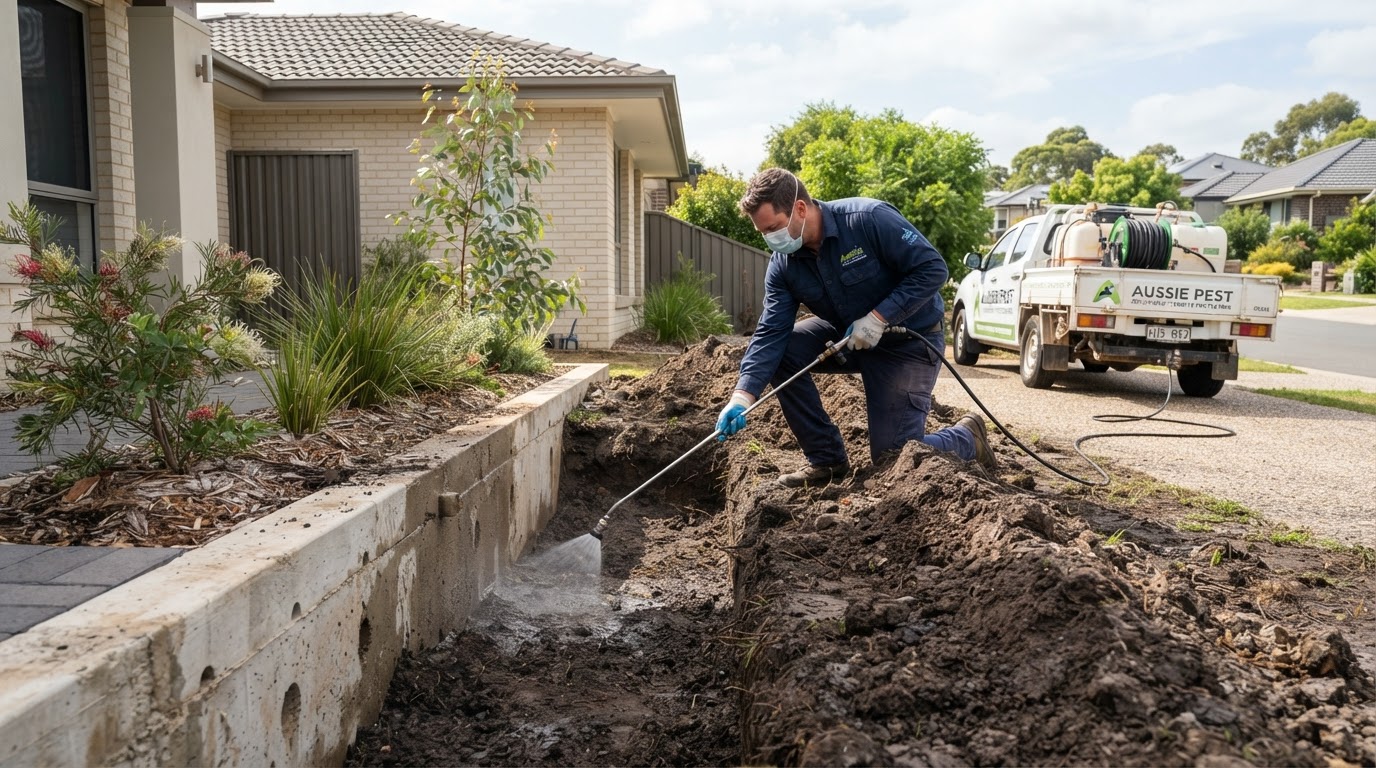
Chemical barriers generally involve applying an appropriately selected termiticide to soil in accordance with the product label and relevant requirements. Physical barriers use construction materials or specially designed components to make concealed termite entry more difficult or detectable.
Some properties also have reticulation systems. These systems use installed delivery lines to allow an approved termiticide to be replenished in designated areas, where the system and product are suitable for that purpose.
The important point is that a barrier is not the same as a guarantee against termite attack. Termites may find alternative routes, bridge exposed areas or gain access through locations that were not adequately protected.
Regular inspections remain important even when a barrier has been installed.
Signs Your Existing Termite Barrier May Need Further Assessment
There is no single visible sign that proves a termite barrier has failed. However, certain changes and missing information can indicate that the existing system should be professionally assessed.
You Cannot Find the Original Installation Records
One of the most useful starting points is the durable notice or documentation associated with the building's termite management system.
The National Construction Code includes requirements for a durable notice identifying relevant termite risk management details for applicable buildings. Depending on the installation, records may help identify the system type, installation date and other important information.
If you cannot find these details, it does not automatically mean the barrier has failed. It does mean that you may not know what protection was installed or what ongoing requirements apply.
When purchasing an older property, ask for available treatment records, warranties, installation documents and previous inspection reports.
The Barrier Has Been Disturbed by Building or Landscaping Work
Renovations, plumbing work, new paving, extensions, garden beds and changes to drainage can affect parts of an existing termite management system.
For example, excavation around a building may disturb treated soil. New concrete or landscaping may cover areas that previously allowed inspection. A new service penetration may create a route that was not part of the original system.
Even relatively small changes can be important if they affect the continuity or visibility of the barrier.
If work has taken place near the building perimeter, ask a qualified professional to assess whether the existing termite management arrangement needs attention.
There Are Signs of Termite Activity
Mud tubes, damaged timber, discarded wings and unexplained timber deterioration should always be investigated.
Finding these signs does not automatically prove that the barrier itself has failed. Termites may have entered through a different route, reached an untreated area or accessed timber that was outside the original protection zone.
A professional inspection can help establish whether the activity is current, where termites may be entering and whether the existing system has been compromised.
Do not disturb suspected termite workings before the assessment.
The Existing System Is Old or Its Service Life Is Unclear
Age alone is not enough to decide that a termite barrier needs replacing.
Different products and systems have different conditions, approved uses and service-life considerations. Some warranties also have specific terms that should not be confused with the actual performance or expected life of the treatment.
If the original installation date is unknown, or the product documentation is unavailable, a professional assessment can help identify what is present and what options may be appropriate.
Avoid relying on a general rule that every barrier must be replaced after the same number of years.
New Landscaping Has Covered Important Inspection Areas
Garden beds, mulch, paving and stored materials can cover areas that should remain visible for inspection.
Termites may also use concealed pathways around building features. When inspection zones are covered, it becomes harder to recognise signs of activity or assess whether the original management system remains accessible.
Review landscaping changes around external walls, slab edges, service penetrations and other relevant areas. A professional can advise whether any changes have affected the property's termite risk management arrangements.
Does a Chemical Termite Barrier Need Replacing?
Not necessarily. The correct decision depends on the chemical product used, its approved label directions, the original installation and the current condition of the treated areas.
A chemical barrier is not simply a coating that can be judged by appearance. Its effectiveness depends on factors such as correct application, soil conditions, continuity of treatment and whether later work has disturbed the treated zone.
If termites are found, the response may involve more than repeating a perimeter treatment. Western Australian government guidance explains that managing an infestation in an existing building can involve addressing termites within timber, locating the nest, re-establishing suitable barriers and arranging regular inspections.
This is why an inspection should come before a replacement recommendation. It helps establish whether the issue relates to the existing barrier, an untreated access point, active infestation or another condition.
What About Reticulation Termite Systems?
A reticulation system is designed to deliver an approved treatment product through installed lines in designated areas. Some systems are intended to allow replenishment without repeating the original excavation process.
However, having reticulation lines installed does not mean the system is automatically working correctly.
The condition and layout of the system, available installation records, product compatibility and any changes around the property should be considered before replenishment is recommended.
Homeowners should keep records of previous servicing and ask what product was used, where it was applied and what future maintenance is required.
Why Regular Inspections Still Matter
One common misunderstanding is that installing a termite barrier removes the need for future inspections. It does not.
Termites can sometimes bypass management systems or find access through areas that are difficult to see. A barrier is intended to reduce risk, not eliminate every possibility of termite entry.
Western Australian government guidance recommends regular property checks and a professional inspection at least once a year. Homeowners should also pay attention to new signs of activity rather than waiting until the next scheduled inspection.
An inspection can assess accessible areas, look for evidence of termites and consider whether existing protection remains suitable for the property.
What Happens During a Professional Barrier Assessment?
A proper assessment should begin with the property's history and available documentation.
The inspector may ask when the system was installed, whether previous termite activity has been reported, what treatments have been carried out and whether landscaping or building work has changed the perimeter.
Accessible areas can then be examined for signs of termite activity, damage, moisture and conditions that may affect the management system.
Where the original barrier can be identified, its type and condition should be considered alongside the building's current layout. If further work is recommended, the homeowner should receive an explanation of why it is needed and what areas it is intended to address.
The recommended approach may involve monitoring, repairs to relevant conditions, treatment of active termites, replenishment where appropriate or installation of a new system. These are not interchangeable options, and the decision should be based on the findings.
Choosing the Right Termite Protection for Your Perth Home
There is no single barrier solution that suits every property.
Construction type, soil conditions, existing protection, previous termite activity, access around the building and future renovation plans can all influence the available options.
A chemical treatment may be appropriate in one situation, while another property may require attention to a physical system or a combination of management measures. In some cases, the first priority is to investigate active termite activity rather than install another barrier.
Be cautious of recommendations that promise complete protection or suggest that a particular system removes the need for inspections. Ask for the reasons behind the recommendation, the product or system details and any ongoing maintenance requirements.
Arrange a Termite Barrier Assessment in Perth
If your termite barrier is old, its records are missing or building work has changed the areas around your home, it is worth finding out what protection is currently in place.
Termite Control Perth WA can help homeowners discuss termite inspections, existing barriers and suitable treatment options. Call (08) 9468 8054 or email info@termitecontrolperthwa.com.au to arrange a conversation about your property.
The aim is to understand the existing system before deciding whether any further work is necessary.
Frequently Asked Questions
How long does a termite barrier last?
There is no single lifespan that applies to every barrier. It depends on the system, product, installation conditions and manufacturer or label requirements. Check the original documentation and arrange an assessment if the details are unclear.
How do I know if my termite barrier has failed?
There may not be an obvious visual sign. Termite activity, disturbed soil, renovation work or missing installation records can indicate that the system needs professional assessment.
Does a termite barrier stop all termites?
No barrier can guarantee that termites will never enter a building. Termites may find alternative access routes, which is why regular inspections remain important.
Should I replace my termite barrier if I buy an older home?
Not automatically. First obtain the available installation records and arrange an inspection to understand the existing system and the property's current condition.
Can landscaping affect a termite barrier?
Yes. Excavation, garden beds, paving and other changes may disturb treated areas or cover inspection zones. Have significant changes assessed by a qualified professional.
Does a home with a chemical barrier still need annual inspections?
Yes. Western Australian government guidance recommends professional inspections at least annually, even where termite management measures are installed.